• 31.08.2016

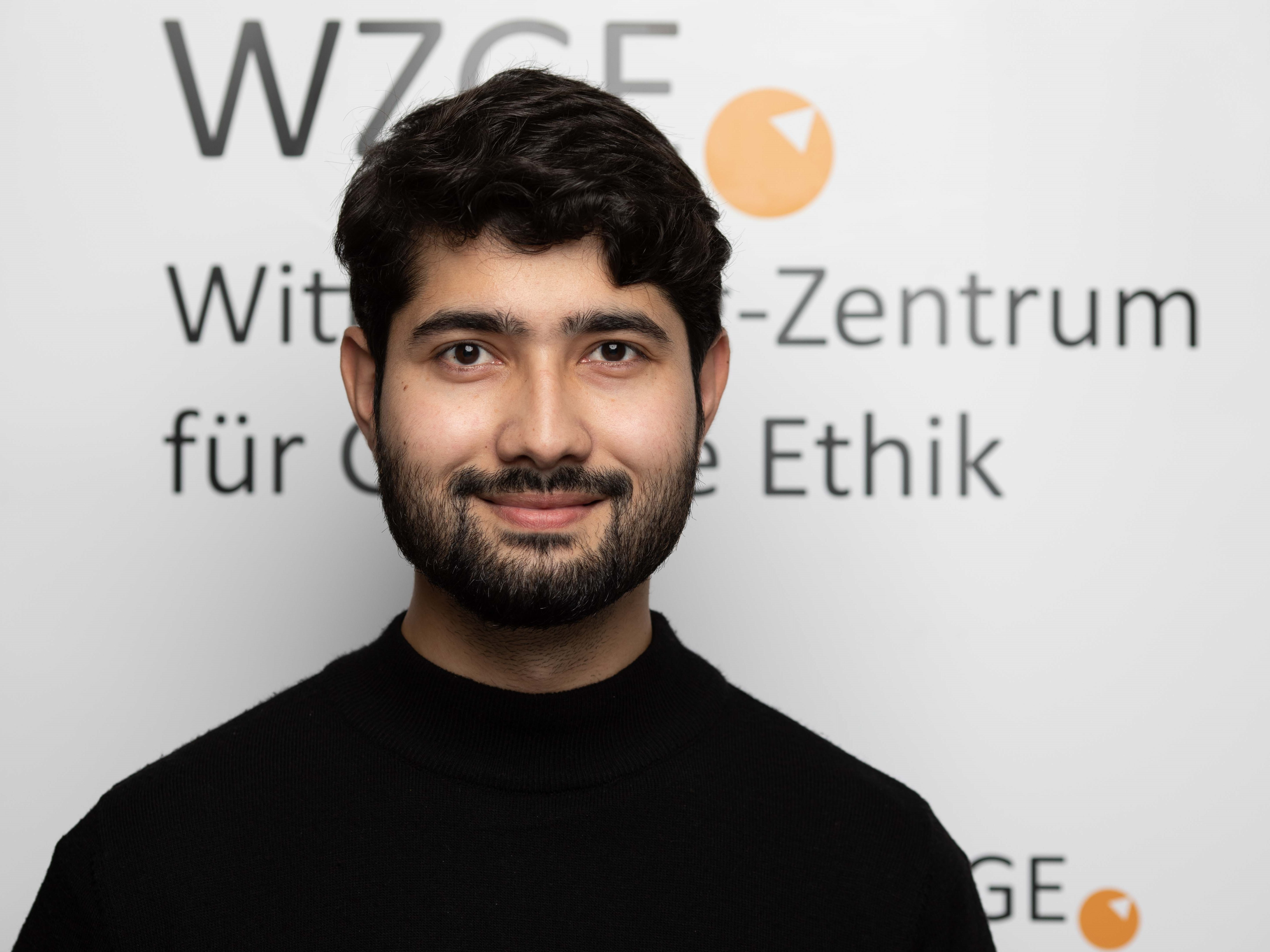
     Shayan Khan

    Title of Dissertation:
    Essays on Corporate Social Responsibility (CSR) as Risk Management Strategy

    Supervisor: Prof. Dr. Philipp Schreck
    University: Martin Luther University Halle-Wittenberg (MLU)
    Scholarship: KSG Scholarship
    Cohort: 7th Cohort, since 2020
    Email: This email address is being protected from spambots. You need JavaScript enabled to view it.

    [accordion activeIndex=""]

    [item title="Short Abstract"]

    As concerns about climate change intensify, corporations are increasingly put on the spot to align their practices with international frameworks such as the Sustainable Development Goals (SDGs), the Paris Climate Agreement, and the UN 2030 Agenda. My research probes the strategic role of Corporate Social Responsibility (CSR) and associated Environmental, Social, and Governance (ESG) initiatives in the realm of firm-government interactions.

    My research examines this firm-government interplay, focusing on regulatory compliance and economic value preservation. A comprehensive literature review informs the design of two empirical chapters. The first study asks whether a firm's CSR activities influence its likelihood of committing fraud and whether these activities affect the propensity of regulatory sanctions from bodies like the Securities Commission. Employing a utility-based strategic approach, this study reveals the dual role of CSR initiatives in both mitigating fraud within firms and enhancing the effectiveness of governmental oversight mechanisms. The second study explores how firms adapt their CSR strategies to manage financial risks. It examines the shift in strategic priorities toward incorporating social responsibility while maintaining economic prudence. The complexity of this inquiry increases when considered in the context of varying regulatory landscapes across nations, as well as in relation to the 2008 financial crises.

    Overall, my dissertation offers actionable insights valuable for both policy and practice.

    [/item]

    [item title="Research Interests"]

    • Corporate Sustainability and CSR
    • Innovation and strategy
    • Digital Transformation

    [/item]

    [item title="Education"]

    • 2020, Master in Management, National Research University Higher School of Economics (HSE), Russia
    • 2017, Bachelor in Electrical Engineering, National University of Computer and Emerging Sciences (NUCES), Pakistan

    [/item]

    [item title="Professional and Academic Career"]

    • 2020, Research Trainee, Université libre de Bruxelles (ULB) / Solvay Brussels School of Economics and Management, Brussels, Belgium
    • 2019, International Summer School in Human Sciences, University of Jyväskylä, Finland
    • 2019, WFI International Summer School ‘Firms in Society’, The Catholic University Eichstätt-Ingolstadt
    • 2017, RAN and Operations Engineer, ZTE Corporation, Islamabad, Pakistan

    [/item]

    [item title="Publications"]

    • Shayan A.K., Mariia K. “Digitalization of Job Market.” Master diss., National Research University Higher School of Economics (HSE), 2020

    [/item]

    [item title="Conference Contributions: Talks"]

    • European Group of Organizational Studies (EGOS), Vienna, 7-9 July 2022
    • Academy of Management (AOM), Seattle, 27-28 August 2022
    • Corporate Sustainability Seminar, Baruch College, New York, 11 October 2022
    • 2019, Analytics for Management and Economics Conference (AMEC), “Determinants of Sustainability Reporting in Russian Companies”, Saint Petersburg, Russia.(https://amec.hse.ru/mirror/pubs/share/320114166); ISBN 978-5-90363-339-5

    [/item]

    [item title="Conference Contributions: Posters"]

    • N/A

    [/item]

    [item title="Memberships"]

    • WCGE – Wittenberg Center of Global Ethics
    • BEMA – Friede Springer Chair of Business Ethics and Management Accounting
    • IDLAB – International Laboratory of Intangible-driven Economy

    [/item]
    [/accordion]

  • 31.08.2016


    piest

    Title of Dissertation:
    Relative Performance Incentive Schemes in Organizations and their Negative Consequences

    Supervisor: Prof. Dr. Philipp Schreck
    University: Martin-Luther-University Halle-Wittenberg
    Scholarship: KSG Scholarship
    Cohort: 2. Cohort, 2015-2018

    [accordion activeIndex=""]

    [item title="Short Abstract"]

    Contests are widely used in business contexts because competition is believed to increase effort and performance. A downside of competition is that it also encourages unethical behavior, such as sabotage. Sabotage refers to costly activities that employees carry out in order to reduce the performance of competitors; for instance by spreading negative rumors about them (Chen, 2003; Lazear, 1989). Sabotage among employees is always undesired because it reduces overall output (Chen, 2003; Chowdhury & Gürtler, 2015).

    As a first step, we review the literature on competition and unethical behavior. We find a significant lack of terminological clarity: the same terms are often used to refer to different concepts, while different terms are used to refer to similar concepts. Stanne, Johnson, and Johnson (1999, p. 134) state that “competition has been defined as a situational variable, a cognitive variable, a trait, a motive, or an attitude.” We suggest that this confusion is not merely a matter of terminology but that it reflects a lack of conceptual clarity on a more fundamental level. In our view, this lack of clarity hinders the progress of research because it impedes the integration of existing knowledge on the behavioral consequences of competition and the development and use of appropriate measuring instruments.

    To tackle the problem, we develop a simple but comprehensive conceptual framework for studying the relationship between competition and unethical behavior. The framework offers a clear terminology and helps integrate diverse studies from various fields, including economics and psychology.

    Moreover, we use our framework for reviewing and classifying the empirical literature on competition and unethical behavior. So far, individual competitiveness has been conceptualized as a stable trait variable, i.e., a preference (Newby & Klein, 2014). However, an individual’s competitiveness in a given situation is also dependent on situational factors (e.g., rivalry with a competitor; Kilduff, Galinsky, Gallo, & Reade, 2016). Following the state – trait distinction in psychology, we introduce the concept state competitiveness to account for situational differences in individual competitiveness. According to our framework, the specific characteristics of a contest (e.g., group size), together with moderating influences of the actor’s characteristics (e.g., trait competitiveness) and the situation’s characteristics (e.g., corporate culture) determine someone’s current state competitiveness, which in turn is associated with unethical behavior. In order to empirically test the concept state competitiveness and its relations to contest characteristics and unethical behavior, an instrument to measure the concept is necessary. We develop this instrument and provide initial evidence of its construct validity. In a first study (N=199) we construct a questionnaire with 10 items using factor analysis. A subsequent study (N=90) shows that the scale is moderately correlated with three established scales of trait competitiveness, suggesting convergent validity of state competitiveness. To demonstrate discriminant validity, we conduct a lab experiment in which subjects compete in a simple math task. We manipulate the contest design by varying prize spread.

    As a last step, we want to demonstrate the effect of state competitiveness on sabotage in a lab experiment. This would give us valuable insights into how competition unfolds its effects, and how contests need to be designed in order to yield performance increments among contestants, but not increase unethical behavior, such as cheating or sabotage.

    References

    • Chen, K. P. (2003). Sabotage in promotion tournaments. Journal of Law, Economics, and Organization, 19(1), 119-140.
    • Chowdhury, S. M., & Gürtler, O. (2015). Sabotage in contests: a survey. Public Choice, 164(1-2), 135-155.
    • Kilduff, G. J., Galinsky, A. D., Gallo, E., & Reade, J. (2016). Whatever it Takes to Win: Rivalry Increases Unethical Behavior. Academy of Management Journal, 59(5), 1508–1534.
    • Lazear, E. P. (1989). Pay equality and industrial politics. Journal of political economy, 97(3), 561-580.
    • Newby, J. L., & Klein, R. G. (2014). Competitiveness reconceptualized: Psychometric development of the competitiveness orientation measure as a unified measure of trait competitiveness. The Psychological Record, 64(4), 879-895.
    • Stanne, M. B., Johnson, D. W., & Johnson, R. T. (1999). Does competition enhance or inhibit motor performance: A meta-analysis. Psychological Bulletin, 125(1), 133-154.

    [/item]

    [item title="PhD Related Publications"]

    N/A

    [/item]

    [/accordion]

  • 31.08.2016

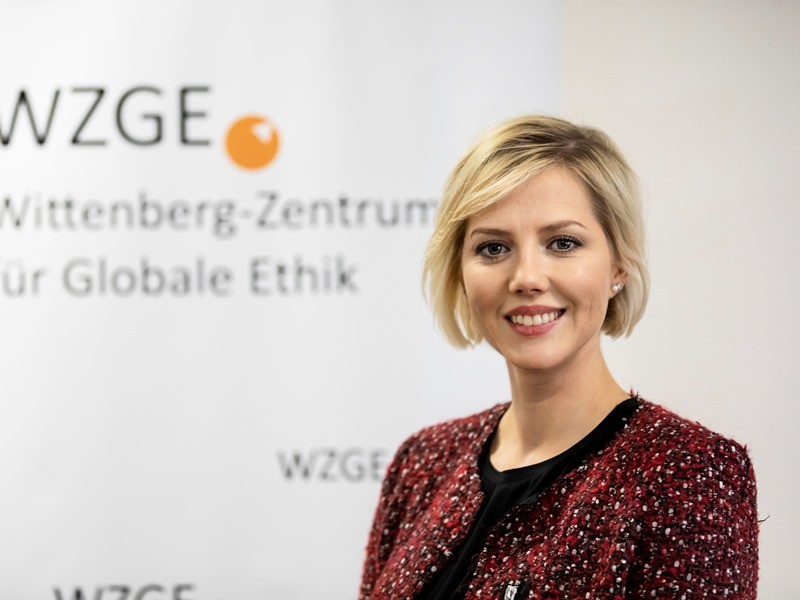
    Hannah Schragmann

    Title of Dissertation:
    Brücke im Individual-Systemkonflikt? Die Chancen einer Neudefinition des Produktivitätskonzepts

    Supervisor: Prof. Dr. Andreas Suchanek
    University: HHL Leipzig Graduate School of Management
    Scholarship: KAS Scholarship (Konrad Adenauer Stiftung)
    Cohort: 6th Cohort, 2019-2022

    [accordion activeIndex=""]

    [item title="Short Abstract"]

    In today’s world, productivity is usually associated with economics, with efficiency and cost cutting, with the maximization of output in relation to some kind of input. However, in its etymologic roots the term has an entirely different focus: It means the process of a subject laying open something which is already constitutive of the subject’s nature. In this sense, it touches upon the very essence of human purpose anddescribes the “production” of a relationship to the world surrounding us in which we are free, in which we can “be” humans. With the advent of modernity and the industrialization, however, this notion of productivity as “being” in the world changed, and was now increasingly used to describe the clear economic X-Y-relationship of input and output. By making productivity quantifiable, and at the same time, gradable, the original meaning of the concept was displaced by a logic of maximisaiton with a clear and measurable physical or  monetary output. At the same time, however, with the increasing colonisation of our lifeworld via economics, the notion of productivity was again applied to human nature itself, with the self-optimisation regime being its consequence. “I was super unproductive yesterday” - such statements are familiar to all of us and result of this process. This self-dependence on our apparent measurable accomplishments, however, restricts the freedom which was the auguration of modernity: Instead of the material abundance freeing us from having to focus on just reaching the next day, it instead keeps us dependent, it hinders us in being in the humanistic sense “productive”, in the sense Karl Marx and Erich Fromm meant it. Here, it is argued that semantics play a crucial role in shaping how we think, how we look at the world and us in it. The productivity concept shapes our reality of life to a large extent and the original etmylogical meaning of the term still holds true when we for example ask ourselves when, for the last time, we really “felt” productive. Suddenly, the emotional dimension allows us to grab the deeper layers of the term, making us think about when we felt anchored in the world, doing something meaningful, and the pure economic dimension fades away.

    In my dissertation, I therefore take a step back and analyse with a conceptual engineering approach how the productivity concept changed over time, what it means on an individual level versus on the system level and how both levels can be connected. By looking at the philosophical history, I want to clarify the concept and its different layers and redefine it in order to contribute to a better understanding of what it means to be “productive” and thereby overcome barriers in thinking which prevent us from reaping the benefits of modernity, a time in which we are better educated, richer and freer than ever but at the same time so often fail to give meaning to our lives due to being caught up in dualistic thinking.

    [/item]

    [item title="PhD related Publications"]

    • N/A

    [/item]

    [/accordion]

  • 31.08.2016

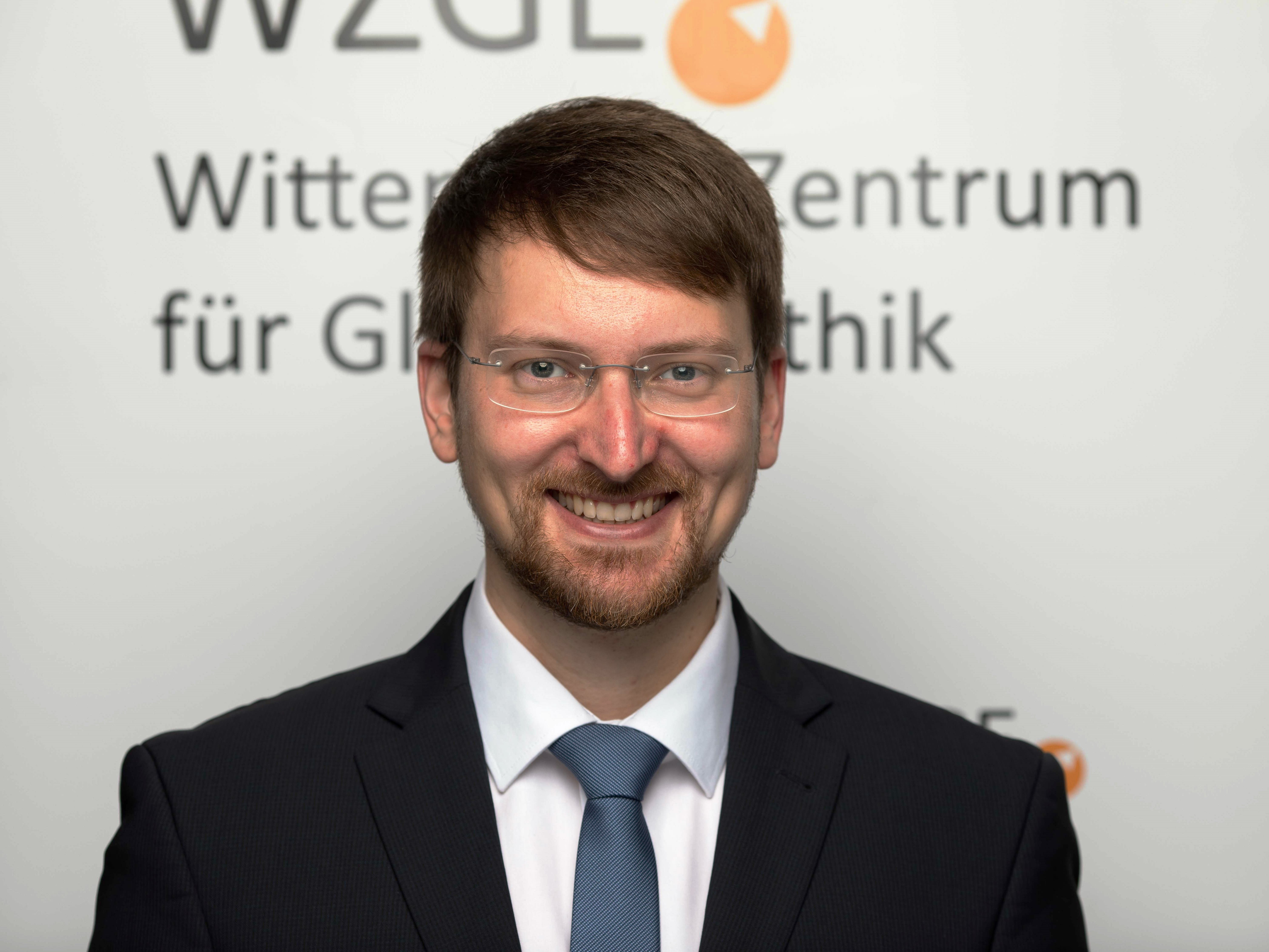
    wittke o

    Title of Dissertation:
    Reframe Team Reflexivity – Realize Do No Harm: Applied to the Cases of Burnout Prevention and Speak up Freely in Teams

    Supervisor: Prof. Dr. Andreas Suchanek
    University: HHL Leipzig Graduate School of Management
    Scholarship: KSG Scholarship
    Cohort: 6th Cohort, 2019-2022

    [accordion activeIndex=""]

    [item title="Short Abstract"]

    Team reflexivity has gained increasing research attention as an effective response to the core challenge of constant learning, innovation, and adaptation in teams due to changing circumstances. Under the right conditions, empirical studies have found that team reflexivity can improve team performance, team learning, team innovation, team creativity, and team member well-being. Thus, research shows that team reflexivity is an effective means to improve teamwork and team outcomes.

    This thesis addresses the problem that team reflexivity research is focused too narrowly on improving these empirical team outcomes while neglecting the importance of normative principles and values in good teamwork, such as the do no harm principle. Therefore, this thesis proposes that the team reflexivity concept needs broader reframing and deeper reflection to realize normative principles and values in teams as a precondition for good teamwork, e.g., do no harm. It further presents two team reflexivity tools and applies them in the cases of burnout prevention and speaking up freely in teams to illustrate the point of this thesis: Do no harm in teams requires team reflexivity, and vice versa, team reflexivity requires do no harm.

    [/item]

    [item title="PhD related Publications"]

    [/item]

    [/accordion]
  • 31.08.2016

    Christian Kroll

    Title of Dissertation:
    Stakeholder Democracy & Multi-Rational Competence.
    A Mixed-Methods Study in Search of Factors Determining a Viable, Sustainable, Ethical and Efficient Stakeholder Inclusive Process of Business Decision-Making.

    Supervisor: Prof. Dr. Laura Marie Edinger-Schons
    University: University of Mannheim
    Scholarship: SDW Scholarship
    Cohort: 6th Cohort, 2019-2022

    [accordion activeIndex=""]

    [item title="Short Abstract"]

    Under the topic ‘Multi-Rational Competence & Shared Ethical Leadership’, the goal of my dissertation is to search for viable, efficient and ethical organizational decision-making processes to cope with the diverse rationalities and interests of various internal and external stakeholders. Thereby, I investigate elements which enable inclusive collective action able to solve complex challenges. My research is based on a mixed-methods approach with literature-based, qualitative and quantitative elements. The leading questions of this business ethical research are: How can a collective, multi-stakeholder decision-making process succeed? What are the factors determining successful multi-rational cooperation?

    Thus, my academic work contributes to the research question on how constructive cooperation between multiple stakeholders is possible through three elements:

    1.        competencies enabling multi-stakeholder collaboration, e.g. multi-rational competence;

    2.        cooperative and collective leadership styles, e.g. shared ethical leadership;

    3.        and new, stakeholder-inclusive forms and processes of organizing and decision-making to tackle grand challenges, e.g. Multi-Stakeholder Initiatives and Stakeholder Democracy.

    Thereby, my research follows a four-step procedure: I started my PhD journey by engaging in literature-based conceptual research with the goal to identify research gaps, develop and write a Literature Review and Research Agenda (1). In addition, I designed a qualitative (2) as well as an experimental study (3). The continuous goal of my journey was and is to reflect on the business ethical implications and develop a concept of Shared Ethical Leadership (4).

    The current stage of my research is that one conceptual paper is completed and in the second reviewing stage. In this first paper (in collaboration with my supervisor Prof. Dr. Laura Marie Edinger-Schons) I reviewed and reflected the research area of ‘Corporate Power and Stakeholder Democracy’ and developed a research agenda to guide future research. A second conceptual paper (single author) is curently in the working paper stage. It conceptualizes ‘Shared Ethical Leadership’ with a special emphasis on multi-rational competence as a central element for collective action to succeed.

    I am now at the beginning of a new phase of my PhD, focussing on qualitative research. Currently I am working on two separate qualitative projects intending to explore ‘Multi-Rational Competence & Shared Ethical Leadership’ with a qualitative methodology. The first one looks at corporations with a democratic corporate structure (to various degrees). Here, I mainly work with interview data (Semi-Structured Single One-on-One Interviews; Grounded Theory; Gioia-Method). For this paper 25 semi-structured single one-on-one interviews were already conducted in three separate corporations by a co-author. Interviewing further representatives together is already planned. For coding and analysis the Gioia Method was chosen. The second paper is still in the developmental research design stage. I am currently in conversation with a potential practice partner. More specifically, I am in contact with an institute to discuss access to a Multi-Stakeholder Initiative, where I would be able to learn about the dynamics of the particular stakeholder interactions, to potentially include participatory observation and document analysis next to interviews. A start date in October for the data collection is envisioned.

    My planned quantitative study (design state) has the working title ‘Signalling Shared Ethical Leadership. The Effects of Self-Organisation, Democratic Governance & Stakeholder Inclusion on Corporate Attractiveness’. This study has a controlled experimental vignette design with manipulated signals on participation level and ethics.

    In the following, I will provide an overview of two of my projects:

    Project 1: Corporate Power and Stakeholder Democracy.

    A Business Ethical Reflection and Research Agenda.

    Corporations significantly influence the public and political spheres, e.g., through corporate socio-political activism, philanthropic donations, lobbying, or through their practices with regard to big data analytics and artificial intelligence. In light of the increasing corporate power, academics have criticized a lack of democratic legitimization for such activities (i.e., the legitimacy gap) and have pointed out a potential divergence between the allocation of corporate resources and the needs and preferences of the public (i.e., the social issues gap). To overcome these problems, stakeholder democracy, i.e., stakeholders’ active participation in corporate decision-making and governance, has been proposed as one potential solution. In line with this, the authors argue that an increase in corporate power outside the economic realm should be counterbalanced by more democratic corporate governance (i.e., an internalization of democracy). The authors present an overview of the literature on the link between corporate power and stakeholder democracy, argue for the necessity of legitimization, identify research gaps, and develop a research agenda to inspire and guide future research efforts. They find that, while important groundwork exists, research attention to these topics by the academic community is still limited. Conceptual and empirical research on the micro-, meso-, and macro-level as well as on cross-level effects is needed to advance this incipient area of research. Specifically, future research needs to (1) clearly define corporate power and discuss how stakeholder democracy could contribute to more legitimate corporate decisions, (2) unveil new ways of more democratic corporate governance, and (3) understand the organizational and individual-level factors that are necessary to realize the transition to stakeholder democracy.

    Project 2: Shared Ethical Leadership in a Complex, Polyphonic Environment.

    Enabling Collective Action via Multi-Rational Cooperation & Competence.

    The global organisational environment is marked by diversity, complexity and uncertainty. The COVID-19 pandemic, the climate crisis, the digital revolution, and populism are just a few of many crises and challenges of the 21st century revealing that it is an increasingly volatile, uncertain, complex and ambiguous (VUCA-)world we are living in. Consequently, organisational and societal challenges become increasingly multi-dimensional and polyvalent. More stakeholder-inclusive and participatory decision-making is discussed as one potential strategy to adapt and to solve grand challenges. However, a research gap exists concerning the elements that enable collective decision-making processes to succeed. The goal of this qualitative research, based on the grounded theory and the Gioia method, is to investigate and determine essential competences for such a process to succeed. The underlying hypothesis is that multi-rational competence (i.e. the conglomerate of abilities that enables entities to cope with the challenges of a pluralistic and polyphonic multi-stakeholder organisational environment by using their capabilities constructively in interaction with other ‘communities of meaning’) of all participating stakeholders is a central element as well as a necessary condition for constructive collaboration. Thus, the paper defines multi-rational competence and proposes that it enables collective decision-making and constitutes a pathway to shared ethical leadership. Ultimately, it will argue that shared ethical leadership is able to navigate collective action in a complex environment and to tackle grand challenges.

    [/item]

    [item title="PhD related Publications"]

    • Kroll, Christian (2022): Mehr Ethik durch Multirationales Management. Sozial- und unternehmensethische Potenziale einer neuen ökonomischen Denkschule. Freiburg: Lambertus-Verlag. ISBN: 978-3-7841-3324-9

    • Kroll, Christian (2020) “Sozialökonomische Rationalität in Unternehmensberatungen? Eine qualitativ-empirische Spurensuche.” In: Bachmann et al. (Eds.): Wirtschaftsethik. Sozialethische Beiträge. Forum Sozialethik Band 21. Münster: Aschendorff, p. 223-247.
    • Heuritsch, Julia; Kroll, Christian & Zeuch, Andreas (2020): Unternehmensdemokratie zwischen Utopie und Wirklichkeit. Zum Stand der Selbstorganisation in deutschsprachigen Organisationen. Berlin: unternehmensdemokraten.

    [/item]

    [/accordion]

  • 31.08.2016

    Hunzinger

    Title of Dissertation:
    (Relational) Leadership of Multi-Stakeholder-Partnerships for Sustainable Development

    Supervisor: Prof. Dr. Josef Wieland
    University: Zeppelin University Friedrichshafen
    Scholarship: KSG Scholarship
    Cohort: 3. Cohort, 2016-2019

    [accordion activeIndex=""]

    [item title="Short Abstract"]

    The UN Agenda 2030 for Sustainable Development defines Multi-Stakeholder Partnerships (MSPs) as an instrument to deliver the Sustainable Development Goals (SDGs). Nothing less than a revitalized Global Partnership (Goal 17) is supposed to be the remedy for tackling the challenges of the 21st century which are captured by the SDGs. Goal 17: Partnerships for the Goals is a call out to all sectors – the state, the market, civil society and science – to collaborate in MSPs across sectoral silos in order to deliver the SDGs and transform our world by 2030.

    MSPs are characterized by their cross-sectoral nature and their focus on Sustainable Development. Actors from state and non-state sectors aim at joining forces to collaborate for the achievement of the SDGs – despite their sector-specific logics and interests. Since the publication of the SDGs in 2015, roughly 4000 MSPs and similar initiatives have registered on the Partnerships for SDGs platform (https://sustainabledevelopment.un.org). Even though MSPs increase in popularity, many of these partnerships lack effectiveness in terms of outcome and impact. Research suggests a lack of clarity regarding How to effectively join forces in such a cross-sectoral partnership from a leadership point of view. Therefore, the objective of my dissertation project is to explore MSPs for Sustainable Development with a focus on leadership as a core success factor.

    Traditional leadership approaches often refer to single organisations and hierarchical settings. Usually, these theories do not reflect the cross-sectoral nature of an MSP and its focus on sustainability. Therefore, my objective is to elaborate on leadership theories that reflect partnership structures and dynamics, such as collective leadership, shared leadership and relational leadership. Relational leadership theory offers a promising approach for conceptualizing leadership in partnerships. Relational leadership theory understands leadership as a phenomenon which emerges in the interactions between individuals and organisations; this notion reflects the relational nature of sustainability challenges.

    Since I am highly interested in Sustainable Urban Development, I will use Goal 17: Partnerships for the Goals as a contextual starting point and zoom into SDG 11 (Sustainable Cities and Communities) in order to explore the partnership and leadership dynamics that fuel sustainable urban development. I will do this by applying a multiple case study approach.

    [/item]

    [item title="PhD Related Publications"]

    • N/A

    [/item]

    [/accordion]